
The overload of information about the COVID-19 crisis kept me away from here. I am still writing and getting a few old drafts ready to post, but with all the conversations I’ve had with teacher friends around the world, I thought I’d write about what I’m learning with this whole process. I’ll get back to my plan of posting other random stuff later; if anything, it’ll keep me sane.
My “pebble in the shoe” has been the idea of keeping up with the curriculum as schools transition into remote teaching. Everyone knows that there’s a reason for having students in the classroom, we wouldn’t have jobs if they could just learn everything from home. That being said, we also know that students need support while they’re stuck at home. At some point, we’ll all return to the classroom, and we’ll pick up where we left off. An idea that does not scare me at all.
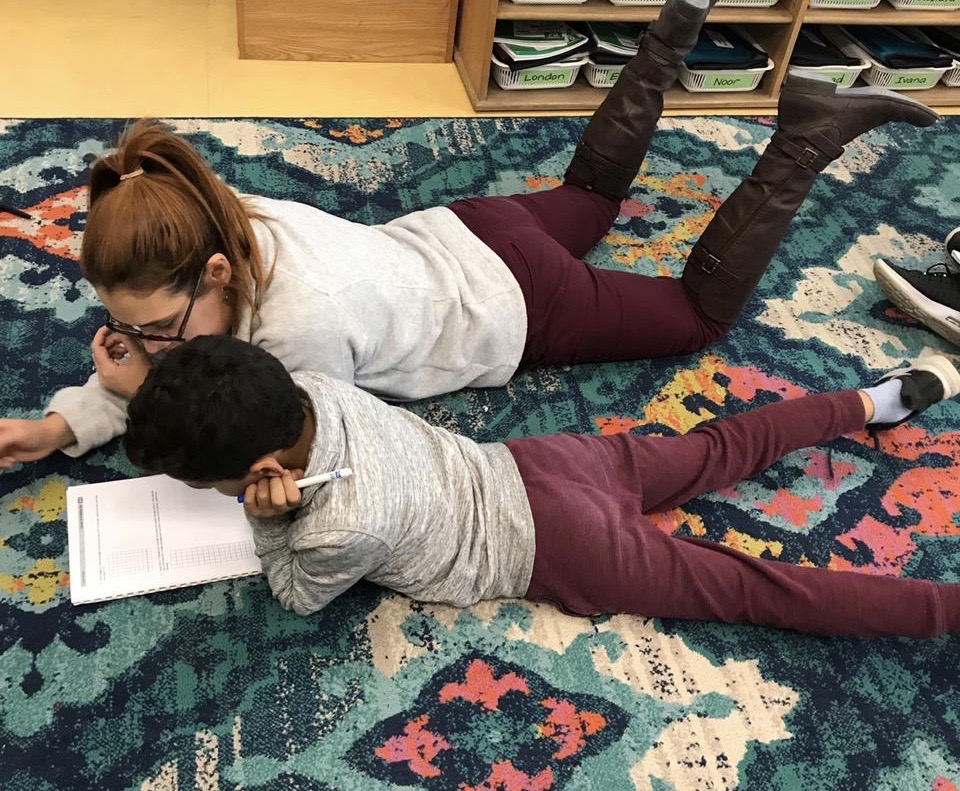
To some, that is not enough, and they believe that teachers should keep up with the curriculum as much as possible. The reason I feel uncomfortable with that idea is that connection and relationships are the foundation of learning. The biggest need I see these days is helping children feel safe and connected to others. If it’s hard for me not to see my students and colleagues every day, imagine what it’s like for a child.
Our number one goal as educators has to be to offering children ways to express how they feel and connect. Help them navigate through their feelings and work some coping strategies to deal with anxiety and fear. All this can be done through reading and writing, so the idea of continuing with school work doesn’t have to be mainly academic upkeep.
Building a community is key to learning in a social setting. Being away from each other doesn’t mean that has to change. There are ways in which teachers can continue to build community and support students from home, but we can all agree; it’s a challenge. What are the safest ways for students to connect with each other online? I’m not sure yet. But I do know that it’s essential.
When it comes down to academics, we should do what we always do: differentiate. In the classroom, I make adjustments to the way I deliver content based on student performance and what they need to make progress. In some cases, that means stepping back to teach something that never stuck with them and go from there. Writing Fairy Tales? Why not just work on narrative projects and do lessons on characters, settings, or storytelling? Informational Writing? Why not writing about what they’re learning from this and use this opportunity to answer questions they may have? There isn’t one perfect way, this is new to everyone.
Twitter is an interesting place to be in these days. The many educators that have called for big changes to the traditional methods of education are making their points with how schools prioritize. It’s all about meaning, and it always has been. We learn when we care, and what students care about these days isn’t necessarily what our curriculum dictates.
So, what’s best?
Start by offering families support and structure, attend to their needs instead of standardizing plans for all. In the classroom, we have all the resources for all students; at home, the situation is different. Create simple activities for students to design their own learning spaces at home.
– Where will you have your morning meetings with your family?
– Where will you set up your library?
– Where will your workshops take place?
Allow students to see you and hear your voice. Making your own videos may be challenging, but it will mean much more to your students than seeing strangers deliver a generic lesson. The many authors and educators who are offering online read-alouds and lessons are wonderful, but to your students, you matter more. If you can connect to them using Zoom or Google Meet, even better.
If you’re asked to meet your students online, I suggest you do so in small groups or one-on-one calls. For an introvert who usually struggles with speaking in front of everyone else in the classroom, imagine what it feels like doing so through a screen. Even as an adult (and being the extrovert I am), I feel anxious when I join webinars and don’t always feel confident enough to ask questions.
Here’s one idea I had been playing with that I shaped last night as I participated in a webinar with Lucy Calkins and others from TCRWP: independent writing projects. Trying to teach genre-specific units at this time may not be the best for all students. Writing every day is. Ask yourself, what do children really want to write about? Then, just let them and support each of them with specific mini-lessons based on their moves.
The same goes for reading every day. Share all the online literature that is now available and let them read what they want. Have them stop and jot, ask questions, share ideas, comment on stories, draw what they love. Reading today, more than ever before, is about meaning. Young readers will also benefit from the many read-alouds you’ll create for them. There are many tools these days that also allow you to add captions to the reading video so they can follow along with you like they would do in Shared Reading.
Collaborate and reach out.

I’ve always seen the beauty in teachers sharing their expertise. In my ideal world, teachers would spend time in each other’s classrooms learning and celebrating the amazing work that takes place. Today, this is even more critical. We need each other.
Creating a Padlet or a school library where teachers can upload mini-lessons for others to use can have such an impact on planning and work-overload. Perhaps I made a bunch of writing videos that other teachers in my school could use with some of their students, or I find math lessons from my bright colleagues that I can use with my kiddos. We don’t have to be alone facing our computers. There’s a better way.
I’m a “cup-half-full” kind of person. Even these days.
 Start with a Story